Introduction:
In an era where sustainability and environmental consciousness are gaining increasing importance, Kraft paper has emerged as a versatile and eco-friendly solution for a wide range of applications. From packaging materials to creative crafts, Kraft paper offers an array of benefits that make it a popular choice among businesses and individuals alike. In this comprehensive guide, we will delve into the world of Kraft paper, exploring its versatility and highlighting its sustainability features.
- What is Kraft Paper?
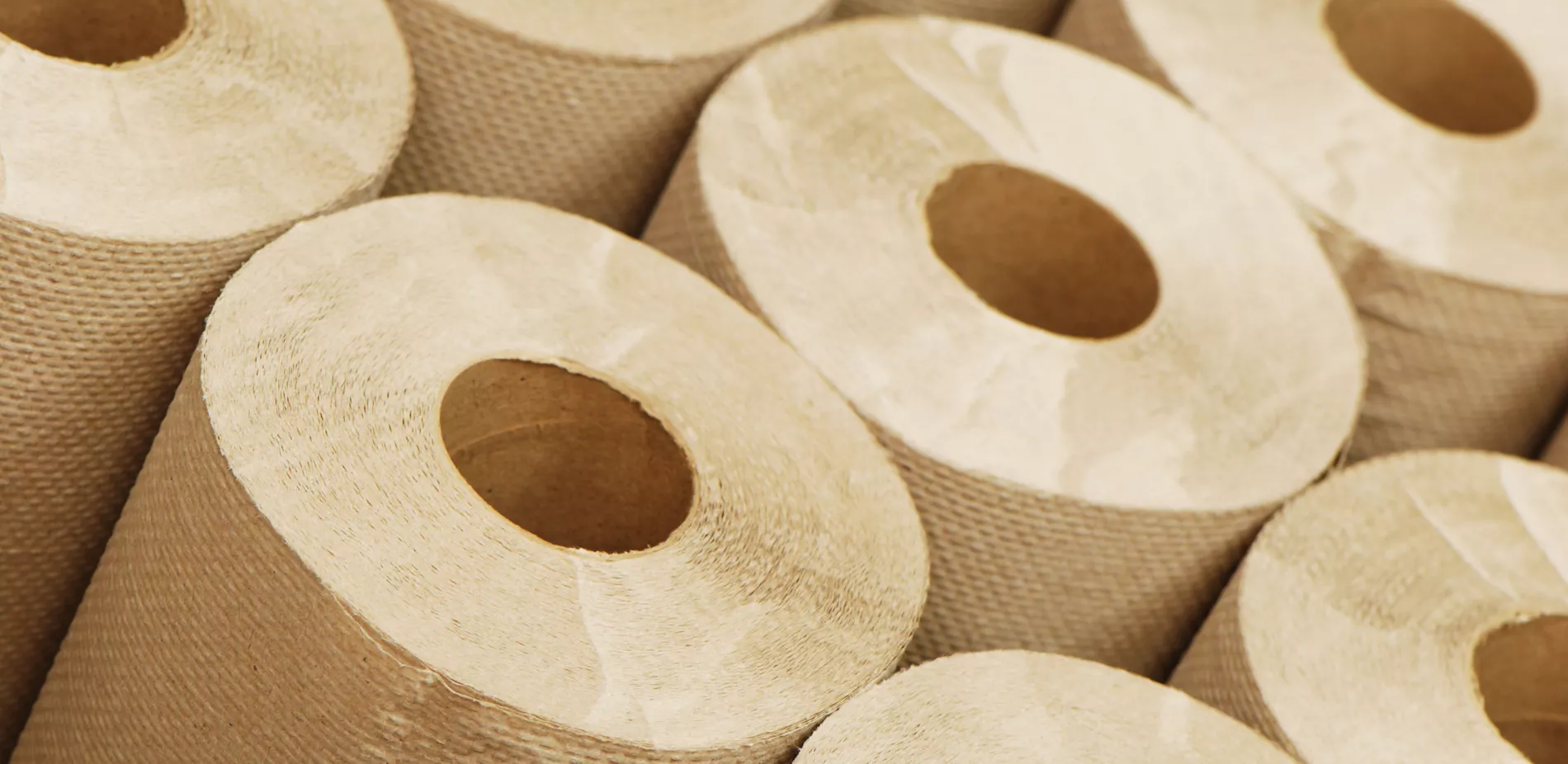
To kick off our guide, let’s begin with an overview of Kraft paper. Kraft paper is a type of paper produced from wood pulp, particularly from the Kraft pulping process. This unique manufacturing method involves converting wood fibers into a strong and resilient paper material. Its distinctive brown color and robust texture are characteristics that set Kraft paper apart from other types of paper.
- Versatile Applications:
One of the key strengths of Kraft paper lies in its versatility. It finds applications across various industries and sectors. From packaging solutions to creative projects, Kraft paper is a go-to material for many purposes. We will explore its uses in sectors such as:
- Packaging: Explore how Kraft paper is employed in packaging solutions for food, retail, and industrial products. Discuss its durability, strength, and adaptability for different packaging needs.
- Crafts and DIY Projects: Discover the endless possibilities of Kraft paper in creative endeavors. From gift wrapping to scrapbooking and origami, delve into the world of crafting with Kraft paper.
- Printing and Stationery: Uncover how Kraft paper has found its place in the printing industry, from business cards and invitations to notebooks and envelopes. Highlight its unique aesthetics and tactile appeal.
- Environmental Sustainability:
In today’s environmentally conscious world, the sustainability aspect of Kraft paper makes it a preferred choice for many businesses and consumers. Explore the eco-friendly features of Kraft paper, such as:
- Renewable Material: Discuss how Kraft paper is derived from sustainably managed forests, making it a renewable resource.
- Biodegradability: Highlight the biodegradable nature of Kraft paper, which ensures minimal environmental impact compared to non-recyclable alternatives.
- Recyclability: Shed light on the recyclability of Kraft paper, emphasizing its contribution to the circular economy and waste reduction efforts.
- Advantages and Benefits:
In this section, we will delve into the advantages and benefits of Kraft paper, including:
- Strength and Durability: Discuss the robust nature of Kraft paper, making it suitable for withstanding various stresses and protecting packaged items.
- Customizability: Explore how Kraft paper can be easily customized through printing, embossing, and other techniques, offering businesses a chance to showcase their brand identity.
- Cost-Effectiveness: Highlight how Kraft paper provides an affordable solution compared to some alternative materials, without compromising quality or performance.
Conclusion:
Kraft paper has earned its reputation as a versatile and sustainable paper material. Its applications span across industries, offering strength, flexibility, and environmental benefits. By understanding the versatility and sustainability of Kraft paper, businesses and individuals can make informed decisions when choosing packaging materials, engaging in creative projects, or seeking eco-friendly solutions. Embrace the possibilities of Kraft paper and contribute to a more sustainable future.